Keep your belt-driven machinery running with optimal efficiency utilizing Acoem’s laser belt alignment solution.
Easy to Use
Extend Belt and Pulley Life
Stop Replacing Belts and Start Aligning Sheaves.
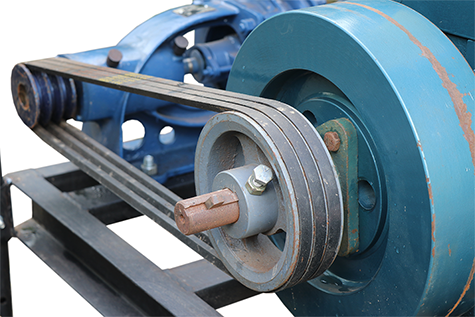
Acoem’s belt alignment solution, the Belt Hog, will allow for a user-friendly, accurate, and efficient measuring process for aligning the sheaves of belt-driven machinery.
V-Belt drives are an efficient method of powering transmissions and historically have been treated as very forgiving of misalignment. However, only a few degrees of misalignment can reduce belt life by as much as 50 percent.
Ensuring proper sheave alignment enhances efficiency by minimizing the risk of premature wear or failure in belts, pulleys, and bearings.
Industrial-Grade Belt Alignment Tools
TheBelt Hogis Acoem’s precision tool for fast, accurate pulley alignment using a compact, laser-based system designed for belt-driven machinery.
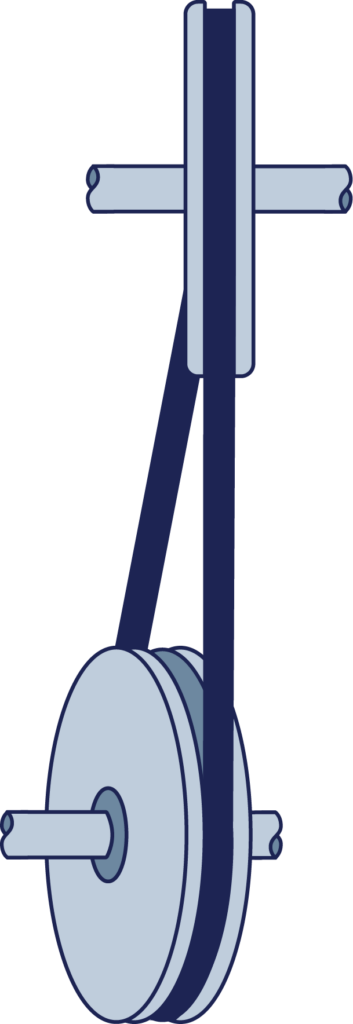
This occurs when the pulleys are not parallel in the vertical plane — one pulley is tilted up or down compared to the other. This condition causes the belts to enter and exit at an angle, leading to uneven tension, edge wear, and reduced drive performance.
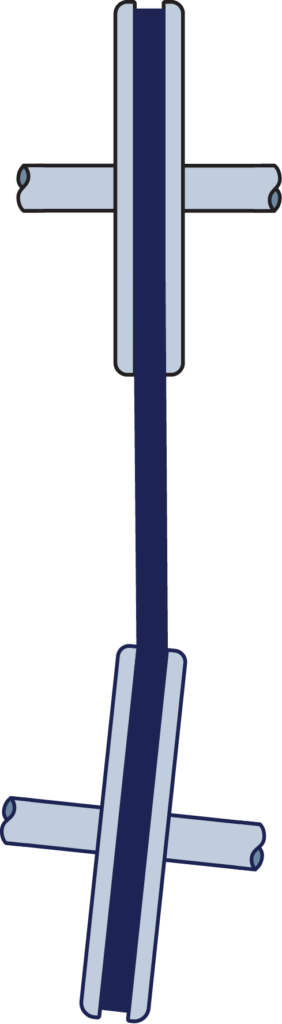
Horizontal Angle Misalignment
This occurs when the pulleys are angled in the horizontal plane — one pulley is rotated slightly compared to the other. This condition creates a “V”-shaped belt path that results in side loading, vibration, and accelerated belt and sheave wear.
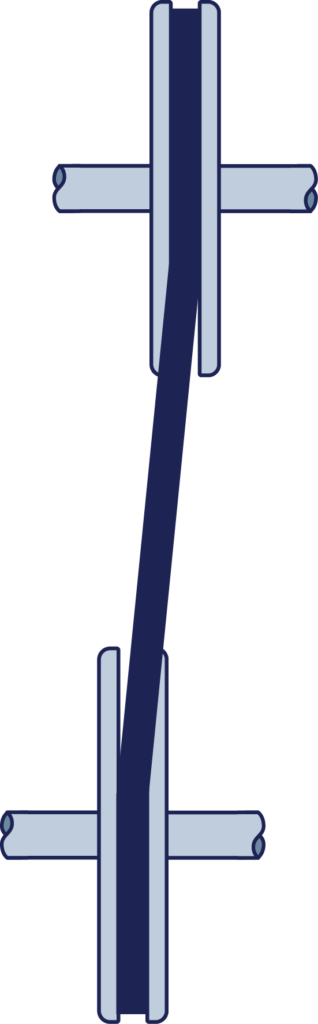
Offset Misalignment
This occurs when the pulleys are on parallel shafts but are not horizontally aligned — one pulley is positioned too far left or right relative to the other. Also known as horizontal offset misalignment or simply just offset misalignment, this causes belts to run off-center, increasing the risk of slippage, uneven loading, and premature belt wear.
Still the Boss of Belt & Pulley Alignment
For over 25 years, the Belt Hog has been silencing squeals and straightening pulleys with no-nonsense precision. Trusted by maintenance crews across industries, it’s the go-to tool when belt-driven machines need to shape up—or shut up.
Proper belt alignment ensures efficient power transmission, reduces wear on components, and prevents costly unplanned downtime. By aligning belts and pulleys correctly, you extend the life of your equipment and improve overall reliability.
Benefits of Performing Precision Belt Alignment
Reduces Downtime
Misalignment leads to premature belt failure; proper alignment keeps machines running longer between maintenance.
Extends Belt and Pulley Life
Aligned components experience less friction and uneven wear, resulting in longer-lasting belts and pulleys.
Improves Energy Efficiency
Proper alignment minimizes slippage and drag, reducing energy consumption and operating costs.
Reduces Vibration and Noise
Misaligned belts often cause excessive vibration and squealing; alignment helps your machines run quieter and smoother.
Minimizes Unscheduled Stops
Prevents sudden breakdowns by addressing alignment issues before they cause critical failures.
Protects Bearings and Shafts
Reduces side-loading on shafts and bearings, lowering the risk of related mechanical issues.
Improves Safety
A properly aligned system is less likely to throw belts or fail unexpectedly, creating a safer work environment.
Why Perform Belt Alignment?
Proper belt alignment ensures efficient power transmission, reduces wear on components, and prevents costly unplanned downtime. By aligning belts and pulleys correctly, you extend the life of your equipment and improve overall reliability.
Benefits of Performing Precision Belt Alignment
Reduces Downtime
Misalignment leads to premature belt failure; proper alignment keeps machines running longer between maintenance.
Extends Belt and Pulley Life
Aligned components experience less friction and uneven wear, resulting in longer-lasting belts and pulleys.
Improves Energy Efficiency
Proper alignment minimizes slippage and drag, reducing energy consumption and operating costs.
Reduces Vibration and Noise
Misaligned belts often cause excessive vibration and squealing; alignment helps your machines run quieter and smoother.
Minimizes Unscheduled Stops
Prevents sudden breakdowns by addressing alignment issues before they cause critical failures.
Protects Bearings and Shafts
Reduces side-loading on shafts and bearings, lowering the risk of related mechanical issues.
Improves Safety
A properly aligned system is less likely to throw belts or fail unexpectedly, creating a safer work environment.