

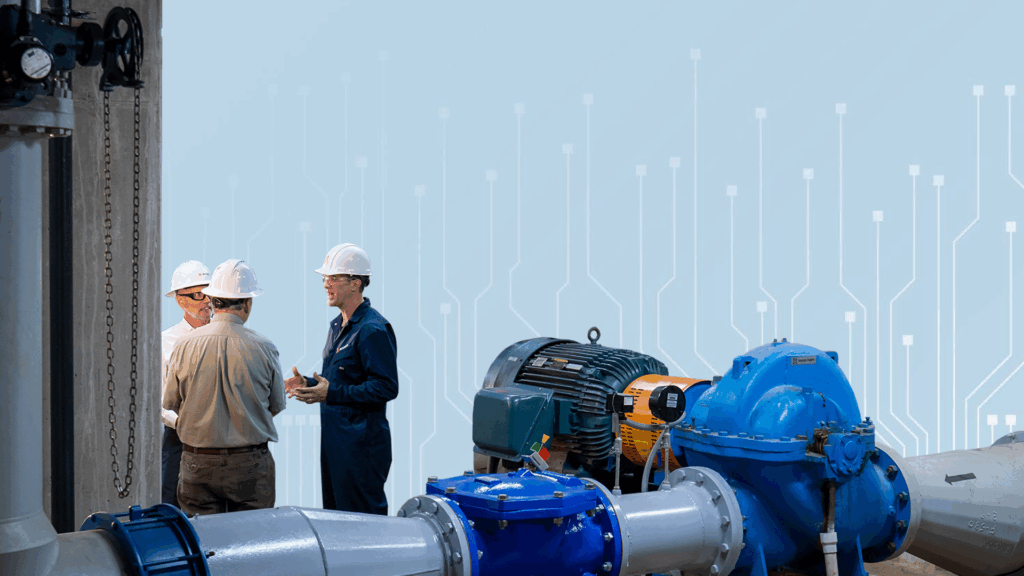
In the world of industrial operations, “safety first” isn’t just a slogan; it’s a fundamental principle that is important in every job. While often unseen, the reliability technician plays a crucial role in ensuring a safe working environment and preventing costly and potentially dangerous equipment failures.
In fact, it might not always be obvious, but the work of a reliability technician is inherently linked to safety. By identifying potential issues before they escalate, they protect not only assets but, more importantly, human lives.
Vibration Analysis: Listening for Danger Signs
To begin with, imagine a machine vibrating excessively. This isn’t just a sign of inefficiency; it’s a potential catastrophe waiting to happen. Loose components, imbalanced rotating parts, or bearing failures can lead to catastrophic failures, showering shrapnel, or even machine components, all serious safety hazards.
This is where vibration analysis becomes essential. Vibration analysis allows reliability technicians to “listen” to the subtle sounds of machinery. By using specialized sensors and software, they can detect abnormal vibration patterns, pinpoint the root cause of the issue, and recommend corrective action before a minor problem turns into a major incident. This proactive approach prevents unexpected failures that could put personnel at risk.
Infrared Thermography: Uncovering Hidden Hotspots
Similarly, electrical fires, overheating motors, and compromised insulation are silent threats that can quickly lead to devastating accidents. In many cases, these issues often manifest as elevated temperatures, which are invisible to the naked eye.
Fortunately, infrared thermography equips reliability technicians with the ability to see these hidden hotspots. Using infrared cameras, they can quickly scan electrical panels, motors, bearings, and other critical components to identify abnormal heat signatures. By catching an overloaded circuit or a failing bearing before it ignites or seizes not only saves equipment but, more importantly, prevents fires and explosions that could cause severe injury or fatalities.
Ultrasound Inspections: Detecting Leaks and Electrical Arcing Before They Cause Harm
In addition to vibration analysis and thermal monitoring, the hiss of a pneumatic leak, the subtle crackle of electrical arcing, or the early stages of a bearing flaw can all be precursors to dangerous situations. While often inaudible to the human ear, these issues emit ultrasonic frequencies.
Through ultrasound inspections, reliability technicians gain a powerful method for detecting these high-frequency sounds. For example, they can:
- Pinpoint air and gas leaks: Even small leaks can waste energy and, more importantly, create slip hazards or contribute to hazardous gas buildups in confined spaces.
- Identify electrical arcing and partial discharge: These phenomena are often precursors to electrical fires or equipment failures, and ultrasound can detect them from a safe distance.
- Diagnose early bearing failures: Catching a bearing issue early in its failure allows for planned maintenance, preventing unexpected and potentially dangerous machinery breakdowns.
As a result, by using ultrasound technology, technicians can identify potential hazards from a safe distance, minimizing exposure to live electrical components or pressurized systems.
Motor Current Analysis: Understanding the Electrical Heartbeat
Motors are the workhorses of industry, and their health is very important to both operational efficiency and safety. Issues within a motor, or with the equipment it drives, can lead to overheating, electrical faults, or mechanical stress, all of which pose safety risks.
Motor current analysis (MCA) addresses this challenge by allowing reliability technicians to assess the electrical health of a motor without direct contact with its internal components. By analyzing the motor’s current signature, they can detect:
- Rotor bar problems: A common issue that can lead to motor overheating and failure.
- Stator winding degradation: Indicating potential electrical insulation breakdown.
- Misalignment or bearing issues in the driven equipment: These can cause excessive motor load and lead to premature failure.
Consequently, identifying these issues early, MCA helps prevent motor failures that could result in electrical shocks, fires, or mechanical breakdowns.
The Reliability Technician and Safety
In conclusion, the reliability technician is far more than just an equipment guru. Through the consistent application of advanced predictive maintenance technologies like vibration analysis, infrared thermography, ultrasound inspections, and motor current analysis, potential failures are continuously identified before they become critical. Their proactive efforts minimize the risk of unforeseen failures, protect personnel, and contribute significantly to a safer, more reliable industrial environment. Investing in reliability programs isn’t just about efficiency; it’s about prioritizing the well-being of every individual on the shop floor.