


When rotating equipment runs out of alignment, the consequences are serious, from premature bearing wear and seal failures to costly unplanned downtime. In some cases, shafts are so misaligned (or couplings so stiff) that trying to align them while coupled can bend the shafts or mask the real problem. That’s when uncoupled shaft alignment becomes essential.
What Is Uncoupled Shaft Alignment?
 Uncoupled alignment is the process of removing the coupling so the shafts can rotate independently during alignment. Modern laser alignment systems, equipped with inclinometers or dedicated uncoupled alignment modes, simulate coupled rotation by synchronizing sensor angles. This allows you to collect accurate data and correct both offset and angular misalignments without mechanical interference from the coupling.
Why Uncoupled Alignment Is Necessary
Shaft Deflection or Bending
When misalignment is severe, connecting the coupling forces the shafts to bend. This not only prevents proper assembly but also risks damage if the machine is forced into operation.
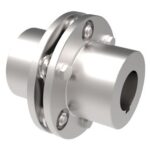
Image by LoveJoy
Stiff Couplings
Disc-pack, tire, and other rigid couplings lack the flexibility to tolerate misalignment. Instead of “absorbing” the error, they push the shafts into unnatural positions, hiding the true alignment condition. Over time, this added stress can lead to premature bearing wear, seal damage, and increased vibration levels, compromising machine reliability.
Long, Narrow Shafts
Shafts that extend far beyond their bearings tend to sag under their own weight. Coupling them adds resistance, making it impossible to measure or correct alignment accurately without decoupling.
In short, uncoupled alignment ensures you’re aligning shafts as they truly are, not distorted by mechanical forces.
How to Perform Uncoupled Shaft Alignment
1. Pre-Alignment Checks
Soft foot, bolt torque, and foundation issues become even more critical during uncoupled alignment. Any instability between the machine feet and base will cause each shaft to move differently once rotation begins, introducing misalignment errors right from the start.
2. Preparation
With the coupling removed, each shaft must rotate freely and independently. This independence requires careful sensor installation and orientation to ensure both laser heads share a common reference framework. Proper mounting and initial zeroing are essential to minimize rotational discrepancies between the shafts.
3. Data Collection
 During data acquisition, the lack of a physical connection means the technician must manually coordinate shaft rotation. Matching inclinometer angles before each reading simulates coupled rotation and ensures both sensors collect synchronized data. This step helps eliminate false readings and provides a reliable foundation for accurate alignment corrections.
4. Review Data Quality
Uncoupled operation introduces additional opportunities for measurement error due to inconsistent rotation or sensor drift. Reviewing the system’s data quality indicators and repeating any flagged readings is essential to confirm that the collected data accurately represents shaft positions.
5. Correct Alignment
Final corrections follow standard alignment principles, but greater care must be taken to ensure that both shafts are adjusted into true alignment without the physical reference of a coupling. After corrections, it is critical to recheck soft foot and confirm bolt torque, as small changes in machine position can affect the relative alignment between independently rotated shafts.
The Payoff: Reliability and Longevity
Uncoupled alignment is more than a technicality — it’s a safeguard against hidden stresses, inaccurate measurements, and premature equipment failure. By removing the coupling during alignment, you ensure that the corrections you make reflect the true shaft condition, leading to smoother operation, fewer breakdowns, and longer machine life.
Ready to take your precision alignment even further?
 The latest update to the Shaft Alignment Horizontal App (v3.4.1) introduces Uncoupled Machine Alignment Mode, now available for the Acoem AT-300 and AT-400. This new feature gives you a clear, dedicated view of each shaft without the coupling, helping you perform uncoupled alignments with greater accuracy, confidence, and control.