

Portable, Wireless, and Online Monitoring
Choosing the right vibration monitoring technology depends on the machines you are monitoring, the type of data your team needs, and how quickly you need to respond when conditions change. Portable, wireless, and wired online systems each play an important role in a successful vibration program, but they are not one-size-fits-all solutions.
In Part 2 of this series, we’ll break down how each option works, where it fits best, and how to choose the right approach based on asset criticality, accessibility, operating conditions, and risk.
 | |  |  |  |
Portable On Demand | Portable Route Based | Wireless MEMS Sensors | Wireless IEPE Sensors | Wired IEPE Sensors |
Three Core Technology Options for Vibration Analysis
There are three main technology options for completing vibration analysis: portable walkaround analyzers, wireless monitoring solutions, and continuous wired online systems. These options range from on-demand or route-based data collection, to wireless MEMS or piezoelectric sensors, all the way to online systems that use piezoelectric accelerometers, proximity probes, and other sensor inputs. Understanding where each technology fits helps your team build a vibration program that collects the right data from the right machines at the right time.
Periodic/On-Demand Using a Portable Vibration Monitoring System
 This is going to be your classic walkaround analyzer, the one everyone knows from the early days of vibration analysis. Using a periodic/portable on-demand vibration system has some definite benefits:
- Trained User that Controls Data Collection: Can adapt to varying operating conditions and speed in the field based on what is seen and analyzed when on the floor.
- On-site Data Collection: Allows the analyst to visually inspect equipment as data are collected.
- Rugged Designs for Harsh Environments: Built to handle tough plant conditions, portable analyzers are typically designed to stand up to dirt, moisture, vibration, temperature changes, and daily use in industrial settings.
- Multi-Channel Synchronous Data Collection: Available on many portable analyzers, allows teams to capture vibration data from multiple points at the same time.
- Wireless and Wired Vibration Sensors: Can work with both wired and wireless sensors, giving teams flexibility based on the machine, access point, and environment. Can also be used in EX-rated and intrinsically safe areas, making data collection possible in more demanding or hazardous plant locations.

Collecting Data in Person
Collecting data in person allows the analyst to get to the root of vibration issues.
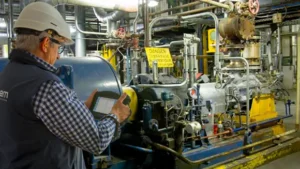
It could be during periodic collection or with the use of the walkaround analyzer to conduct additional testing to verify defects such as:
- Root Cause Failure Analysis: identify deeper fault sources
- Run Up / Coast Down: capture speed-related vibration changes
- Modal Analysis: look for natural frequencies and resonance)
- Operating Deflection Shape (ODS): look for structural looseness
- Cross-Channel Phase: diagnose looseness or misalignment
- Balancing: diagnose unbalance

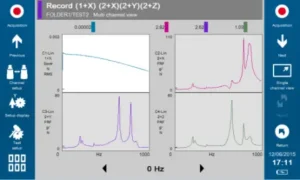
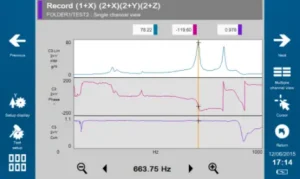

There is a lot of flexibility in using a portable vibration analyzer, allowing the analyst to act quickly in the field. You can get to hard-to-reach equipment with remote-mount sensors when environmental or safety issues prevent the user from going up to the equipment to place a sensor. Breakout boxes can be used as well as wired sensors, but there is a cost.
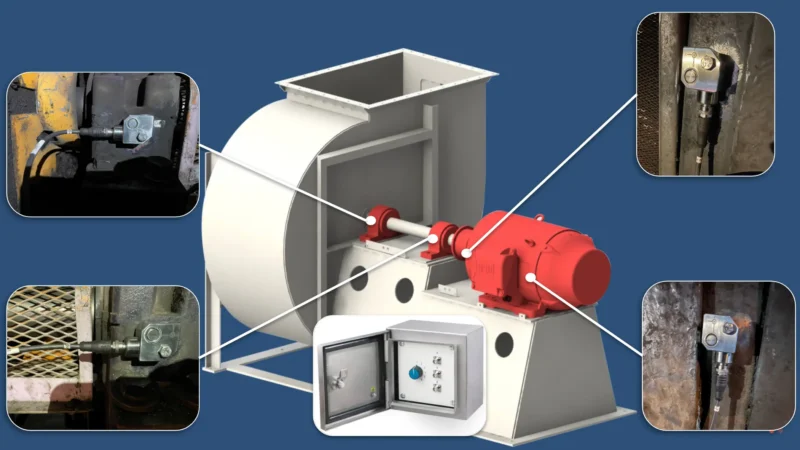
Cons of a Portable Vibration System
Portable vibration systems are valuable tools for route-based data collection, but they do come with limitations. Because the process depends on personnel physically visiting each machine, data is collected only at certain intervals. This can create gaps between readings, increase labor demands, and introduce the possibility of missed issues or inconsistent data.
- Collection Period: Typically 1-3 months, monthly or quarterly, based on the fact that an analyst has to go out and collect the data, which can leave large data gaps where failures could develop.
- Time- and Labor-Intensive: Analysts going out to collect data on every piece of equipment every day is unlikely.
Requires Trained Personnel (possibly high turnover): ISO-certified analysts go out and collect data properly. - Human Error while Collecting Data: Analysts moving the sensor around the facility could mean they are taking data in the wrong place, or machines that aren’t running, or when machines are in changing states or conditions, which can offset and throw off your data
- Cost: Labor intensity incurs a human cost and a physical cost due to the need for trained personnel and labor hours to take the data
Wireless Vibration Monitoring
Wireless vibration monitoring can take many forms, including piezoelectric and MEMS-based sensors, and is often used to monitor balance-of-plant assets and other important equipment. It fits in the middle ground between periodic walkaround data collection and a fully wired online monitoring system.

The biggest benefit of wireless vibration monitoring is reducing the need for cables, conduit, and the additional installation costs associated with a wired system. Wireless systems are often faster and easier to deploy, enabling faster data collection with less labor, fewer materials, and a shorter installation timeline.
However, wireless monitoring should not always be viewed as a direct replacement for a wired online monitoring system. Most wireless systems are designed to collect data at scheduled intervals, such as a few times per day, rather than continuously in real time. This makes wireless a strong option when you need more visibility than portable route-based collection, but do not require the full speed, capacity, and continuous monitoring of a wired online system.
Ease of Installation of Wireless Vibration Monitoring Systems
Installation time can be significantly reduced with a wireless vibration monitoring system because there is no need for extra wiring, conduit, or the added labor of pulling cables across long runs.


For example, a 16-sensor setup could look like this:
- Wired System = 2 workers and 2 days
- Wireless System = 1 worker and 1 day
That difference can create major savings in labor, materials, and overall installation time.
Benefits of Wireless Vibration Monitoring
Wireless vibration monitoring offers facilities a faster, more flexible way to collect machine health data without the complexity of a traditional wired installation. It allows teams to monitor more equipment, reach difficult locations, and expand their program over time without committing to a fully wired system from the start.
- Access to Harsh Environments: Wireless vibration monitoring systems can be installed in harsh or hazardous environments where sending personnel to collect data may be unsafe, such as confined spaces or areas with environmental risks.

- Functional: Wireless systems can be deployed quickly at remote pumping stations, long conveyor runs, or mobile machines where wires may get in the way or interfere with the process.
- Cost-Effective: Wireless monitoring can be a lower-cost option than a traditional wired system because it reduces the need for cabling, conduit, materials, and installation labor.
- Proactive: Wireless systems can collect more data over time than periodic manual routes, giving teams better visibility into developing machine issues.
- Site Distance: Wireless monitoring is useful for remote sites where sending personnel to collect data may be time-consuming or cost-prohibitive.
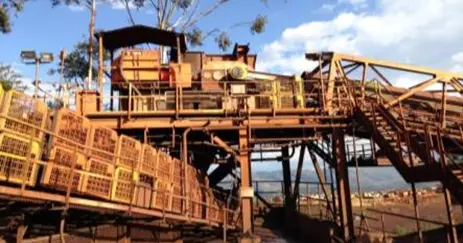
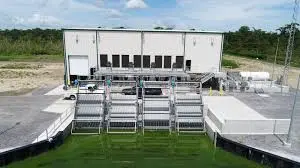
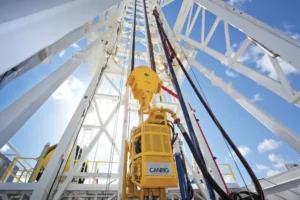
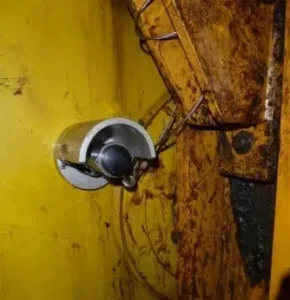
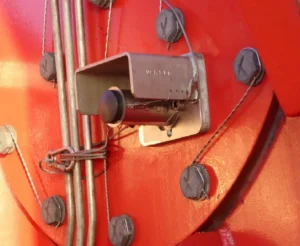
It is also easy to add new sensors to an existing installation. You can start small with one machine and four sensors, then expand across the plant at your own pace by adding more sensors as needed. This makes it easier to prove the concept first while keeping the option to scale larger over time.
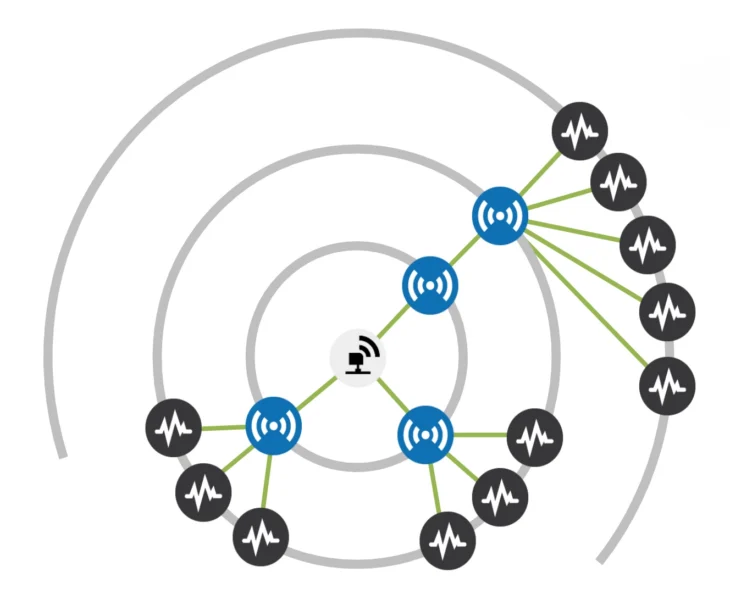
The wireless dream/goal is to achieve data collection and transmission speeds closer to those of a wired online system, while also providing the long-range connectivity of a mobile network. As wireless technology continues to improve, it gives plants a practical path toward collecting reliable machine data without the limitations of traditional cabling.
Cons of Wireless Vibration Monitoring
Wireless vibration monitoring is a strong fit for many balance-of-plant assets, especially constantly running machines such as pumps, fans, and other simpler equipment. However, it is important to understand that wireless monitoring is not the right solution for every application.
- Battery-Powered: Wireless sensors rely on batteries, which means they eventually need to be replaced. The more data a sensor collects, the faster the battery can drain. This can create additional maintenance work if crews are frequently changing batteries instead of focusing on other reliability tasks.
- Oversold and Undelivered: Wireless monitoring is sometimes promoted as a solution for every plant problem, but it does not work well in every application. Some machines require more advanced monitoring capabilities than wireless sensors can provide.
- “Smart Sensors” with Limited Smart Options: Many wireless sensors turn on, collect data at a set interval, and then go back to sleep to preserve battery life. In many cases, they are not triggered by alarms, changes in conditions, or changes in machine state, which means they may miss important events between scheduled measurements.
- Asking Too Much of the System: Wireless sensors may not be the best fit for slow-speed machines or complex equipment that require long time waveforms, longer acquisition times, or broader frequency ranges for proper analysis.
MEMS-based wireless sensors also have limitations, so the key is choosing the right application. Wireless monitoring works best when applied to the right balance-of-plant equipment, especially assets with moderate criticality, where accessibility, installation cost, and increased data collection are the main priorities.
Data Collection for Critical Machines vs Portable Periodic
By implementing a wireless vibration monitoring program, teams can collect significantly more data than they would with traditional portable periodic collection. If measurements are recorded 1 to 3 times per day, wireless monitoring can provide 30 to 90 times more data than a monthly route-based program.

However, collecting more data does not automatically mean better results. The data still needs to be useful, consistent, and actionable. Before relying on wireless monitoring for critical machines, it is important to ask:
- Who is reviewing the data?
More data only helps if someone is responsible for reviewing it, understanding it, and turning it into action. - Is the data/machine state consistent?
Data collected during changing speeds, loads, or operating states may be harder to compare and trend accurately. - Is the data being collected actionable data?
If the data does not help identify changes in machine health or guide maintenance decisions, then collecting more of it may not add value. - Will the trend make sense in an AI or Big Data platform?
If the data constantly jumps around because of changing machine conditions, the trend may be difficult to interpret and less useful for analytics.
When reviewing wireless vibration data, you want to see a consistent trend that provides clear, actionable information. If the trend is unstable, it is important to determine whether the machine is turning on and off, data is being collected while the machine is not running, or the load is changing during operation.
You also want to make sure the vibration spectrum is collected at a steady machine speed, so the data is easier to review, diagnose, and act on. A long enough time waveform is also critical for proper analysis. For slow-speed machines, you typically need to capture six to ten shaft revolutions. If a wireless sensor can only collect a 10- to 15-second waveform, you need to determine whether that is enough for accurate analysis or whether another monitoring option would be a better fit.
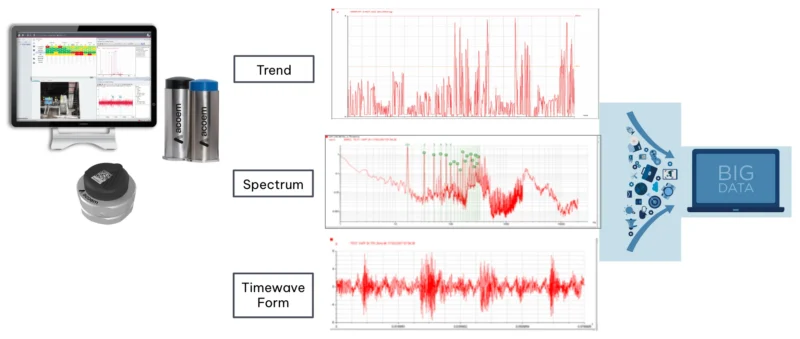
The goal should not be to collect data just for the sake of collecting data. The goal is to collect the right data under the right conditions so that the information can support better maintenance decisions.
Online Wired Vibration Monitoring
An online wired vibration monitoring system can use traditional piezoelectric sensors, proximity probes, temperature thermocouples, and other data inputs. This gives the analyst more actionable information to review, helping them make better decisions and perform a more complete machine analysis.
When looking at the chart below to determine where a wired system should be used, it typically applies to your core, critical, and complex machines.
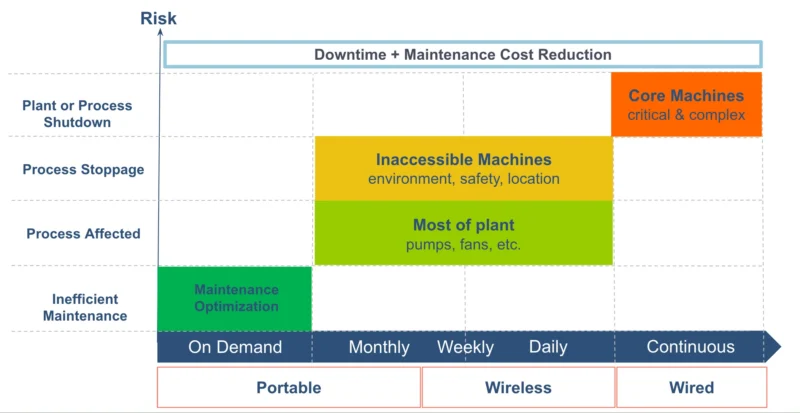
Two key factors help determine whether a wired online continuous monitoring system is the right choice:
- Is the machine critical to plant reliability? If the machine shuts down, does it cause the entire plant or process area to shut down?
- Is the machine complex? Does it have multiple operating states, condition changes, or speed changes that require a more advanced system to collect and analyze the right data?
These factors help determine when it makes sense to move from a wireless system to a wired system. Portable and wireless systems can support many applications, but they may require more manual labor and time. For highly critical or complex machines, continuous wired monitoring can become the more cost-effective solution in the long run.
Tailored Monitoring with Online Wired Systems
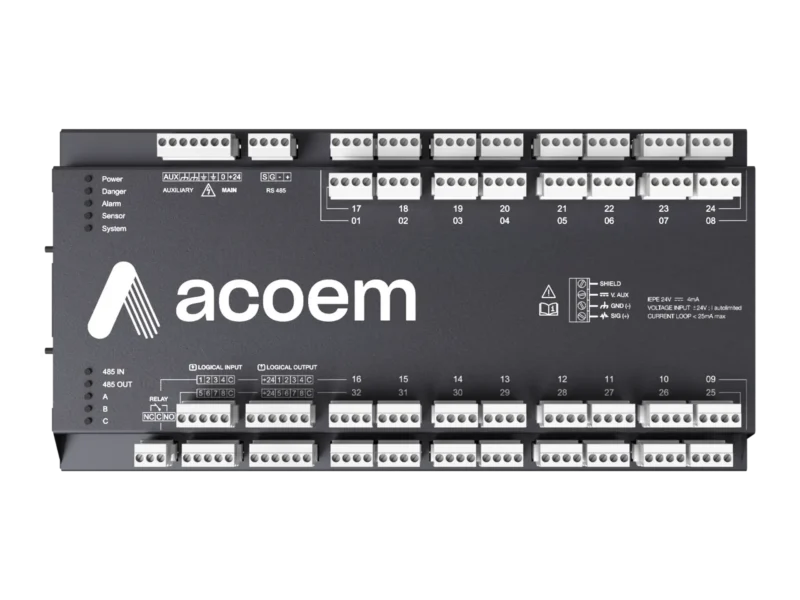 Online wired systems provide tailored monitoring solutions for critical and complex equipment. They are typically used when a machine requires continuous data collection, multiple input types, and deeper integration with plant systems. Key benefits include:
- No Limitations on Input Types: Wired systems can accept a wide range of machine and process data, including accelerometer data, DC inputs, tachometer signals, pulse signals, speed data, proximity probes, and more. This helps provide a more complete picture of machine health.
- Extended Capacity: These systems can monitor multiple measurement points simultaneously, allowing analysts to review several areas of the machine. They can also integrate with industrial communication protocols such as Modbus, OPC UA, and Profinet.
- Real-Time 24/7 Monitoring: A wired online system is always on, collecting and monitoring data. It can trigger alarms when conditions change, when limits are exceeded, or when speed changes require new data to be captured.
- Integrated Storage: If the system loses connection to its gateway or server, it can continue storing data locally so important information is not lost.
- Logical Inputs/Outputs: Wired systems can send and receive triggers from a PLC, allowing the monitoring system to respond to machine events, operating conditions, or process changes.
Multiple Packaging Options
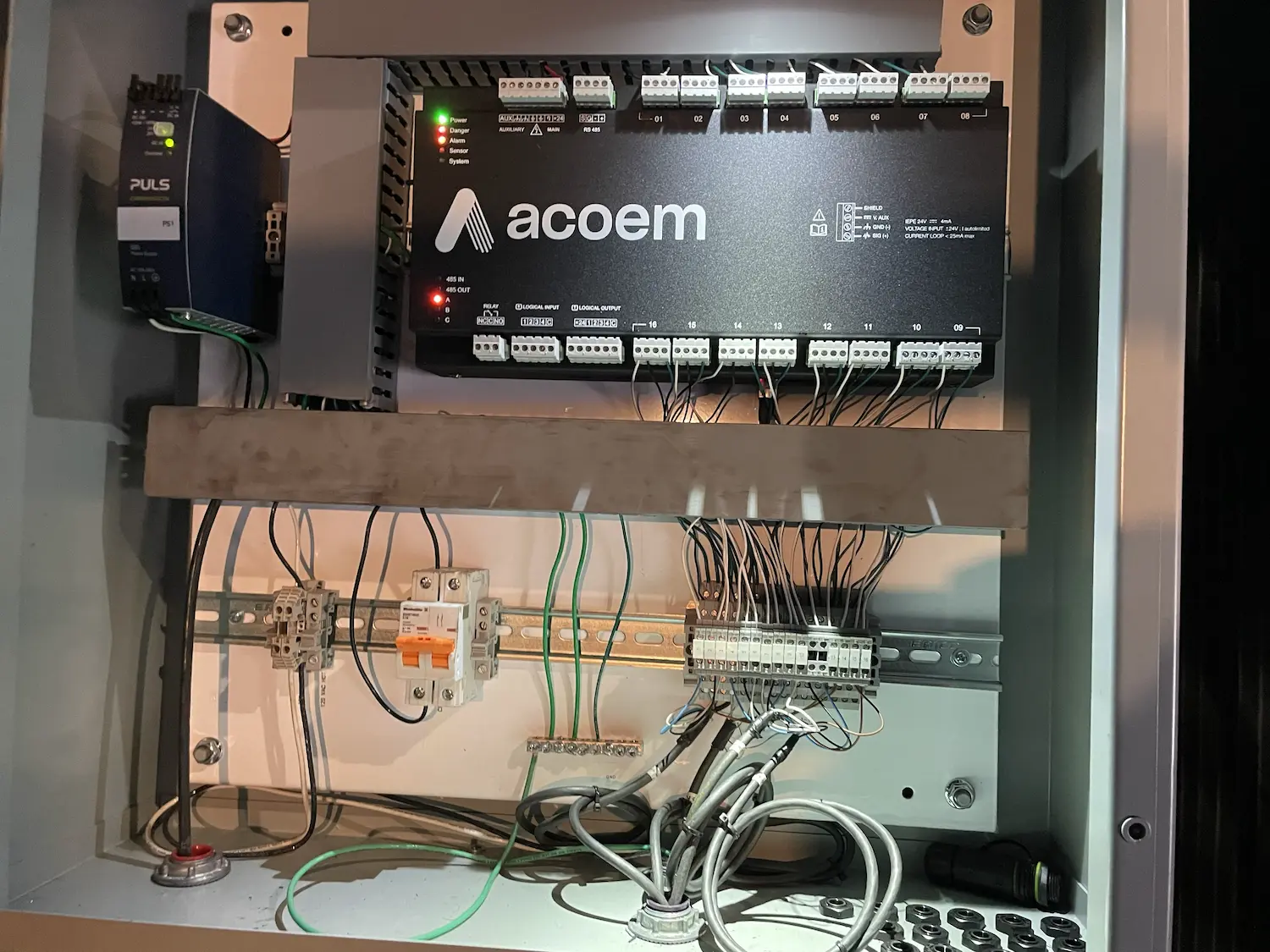
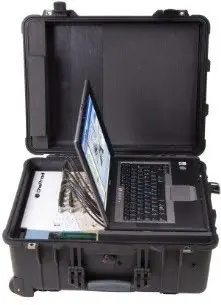
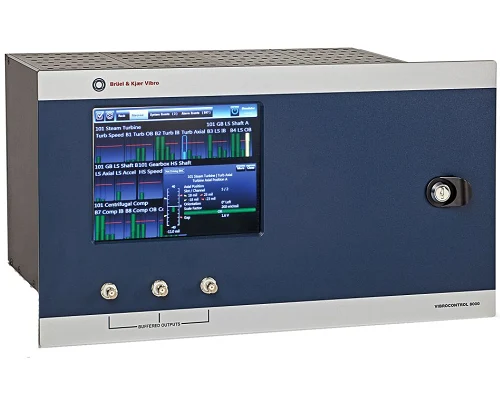
Online wired monitoring systems can be packaged in different ways depending on the machine, environment, and how permanent the installation needs to be. Some applications require a fixed system that stays with the equipment long term, while others may need a pre-built cabinet for faster installation or a mobile case that can be moved between critical assets as needed.
Standalone | Pre-cabled Cabinet | Transportable Case with BNC Interface (VMS) |
 |  |  |
- Standalone: A flexible option for installations where the system can be mounted directly near the machine or integrated into an existing setup.
- Pre-cabled Cabinet: A ready-to-install solution that comes organized and wired inside a cabinet, helping reduce installation time and simplify deployment in the field.
- Transportable Case with BNC Interface (VMS): A mobile monitoring option that can be rapidly deployed in a protective case, allowing teams to focus on critical equipment as needs arise.
Technical Performance of Wired System
When comparing a piezoelectric accelerometer to a MEMS sensor, the main difference comes down to the level of data and the type of application. Piezoelectric accelerometers typically offer a higher frequency range, wider temperature range, greater dynamic range, and better durability for harsh industrial environments. They can handle larger shocks, impacts, and vibration levels, while also providing a longer service life and more detailed vibration data than many wireless MEMS sensors.
Piezoelectric Accelerometer | Micro Electrical Mechanical System (MEMS) | ||
Typical Frequency Range | 0.2Hz - 20Hz | Typical Frequency Range | 0.0Hz - 10Hz |
Temperature Range | 55°C - 150°C | Temperature Range | 40°C - 80°C |
Dynamic Range | +/- 80g - 800g | Dynamic Range | +/- 32g |
Measurement Life | Years | Measurement Life | 65,000 |
Lines of Resolution | 128,000+ | Lines of Resolution | 6,400 |
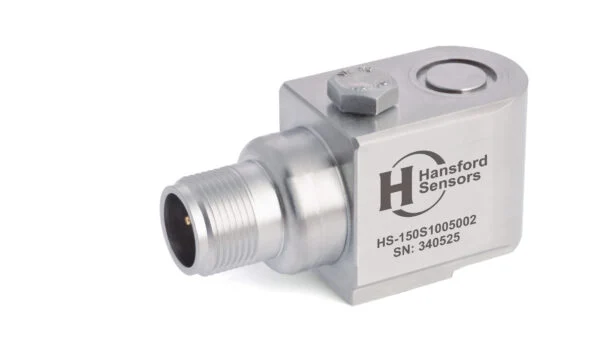
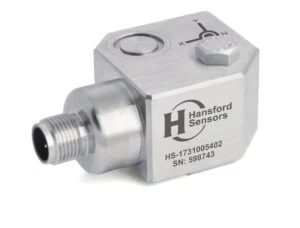
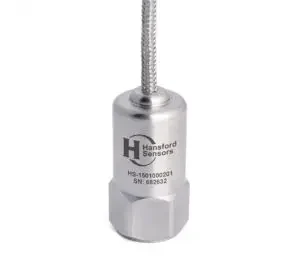
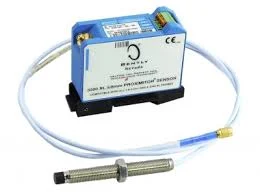
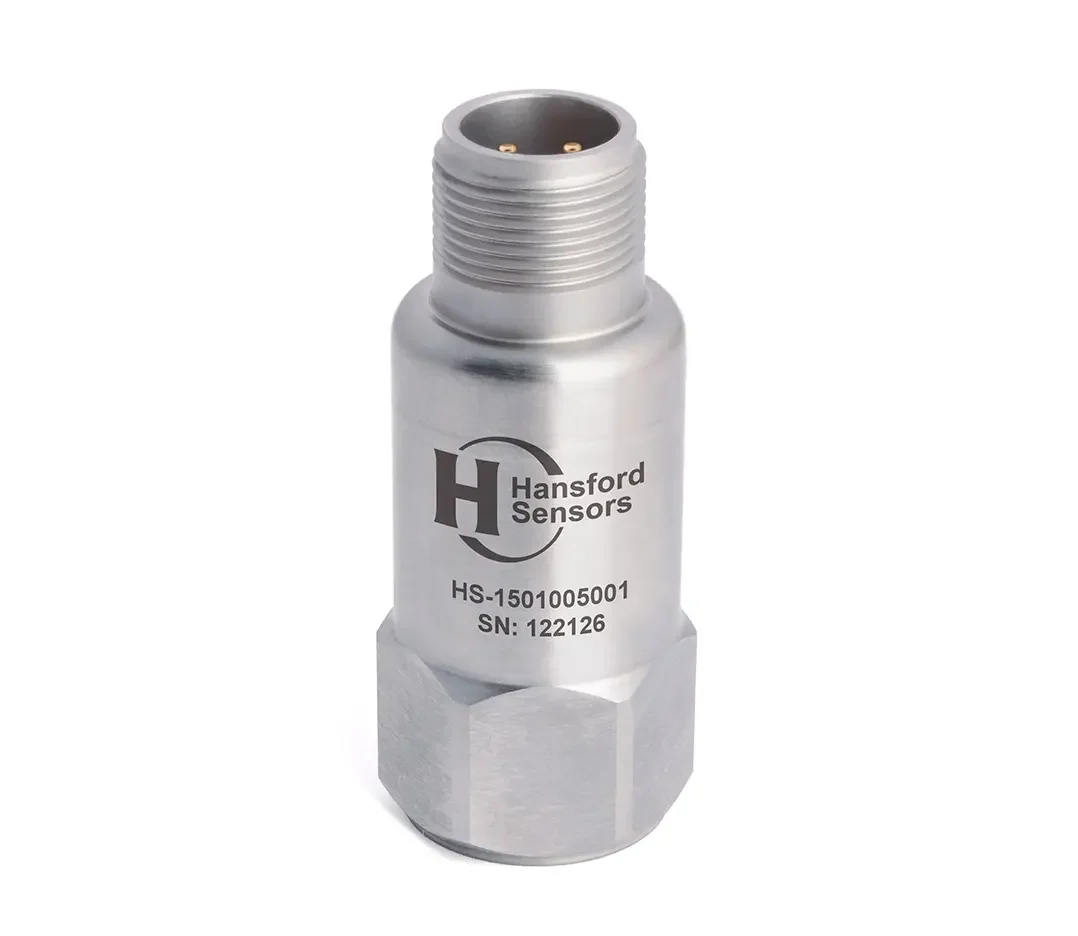
Wired sensor options can also vary based on the application. These may include single-axis sensors, triaxial sensors, temperature sensors, proximity probes, and other measurement inputs, providing teams with greater flexibility when monitoring complex or critical equipment.
 |  |  |  |
 |  |  |
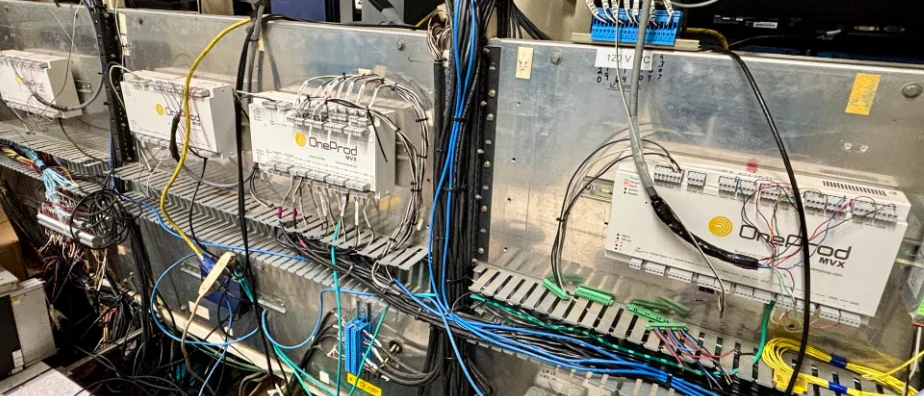
Size constraints may also play a role in sensor selection, but wired systems can often connect to existing protection systems or to field-mounted accelerometers originally installed for portable data collection. This allows the data to be brought into the wired monitoring system and stored in the database. From there, the system can support both equipment protection, such as shutdown functions, and proactive maintenance by providing analysts with the data they need to plan maintenance schedules and recommend corrective actions.
 |  |
 |  |
Monitoring Capabilities
A wired online monitoring system provides continuous, real-time monitoring that can operate around the clock or be triggered by specific machine events. Data can be stored at set intervals, when an alarm occurs, or when there is a change in operating state, status, or condition. This allows the system to capture important measurements as soon as something changes.
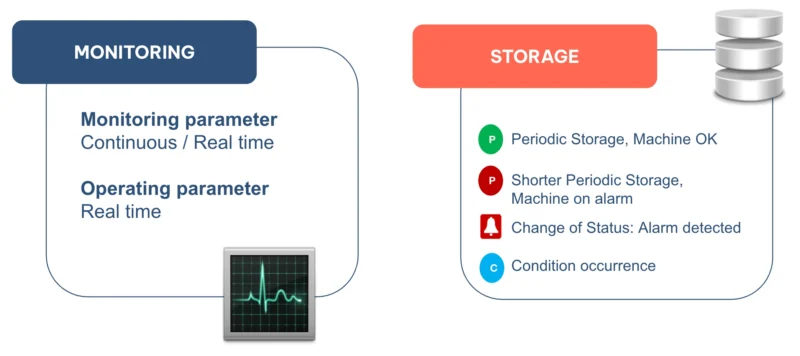
Many wireless systems on the market do not offer this same level of continuous monitoring or event-based data capture. For machines that can fail quickly, a wired online system gives teams the ability to collect data immediately, respond faster, and make more informed maintenance decisions.
Reasons to Manage Operating Conditions
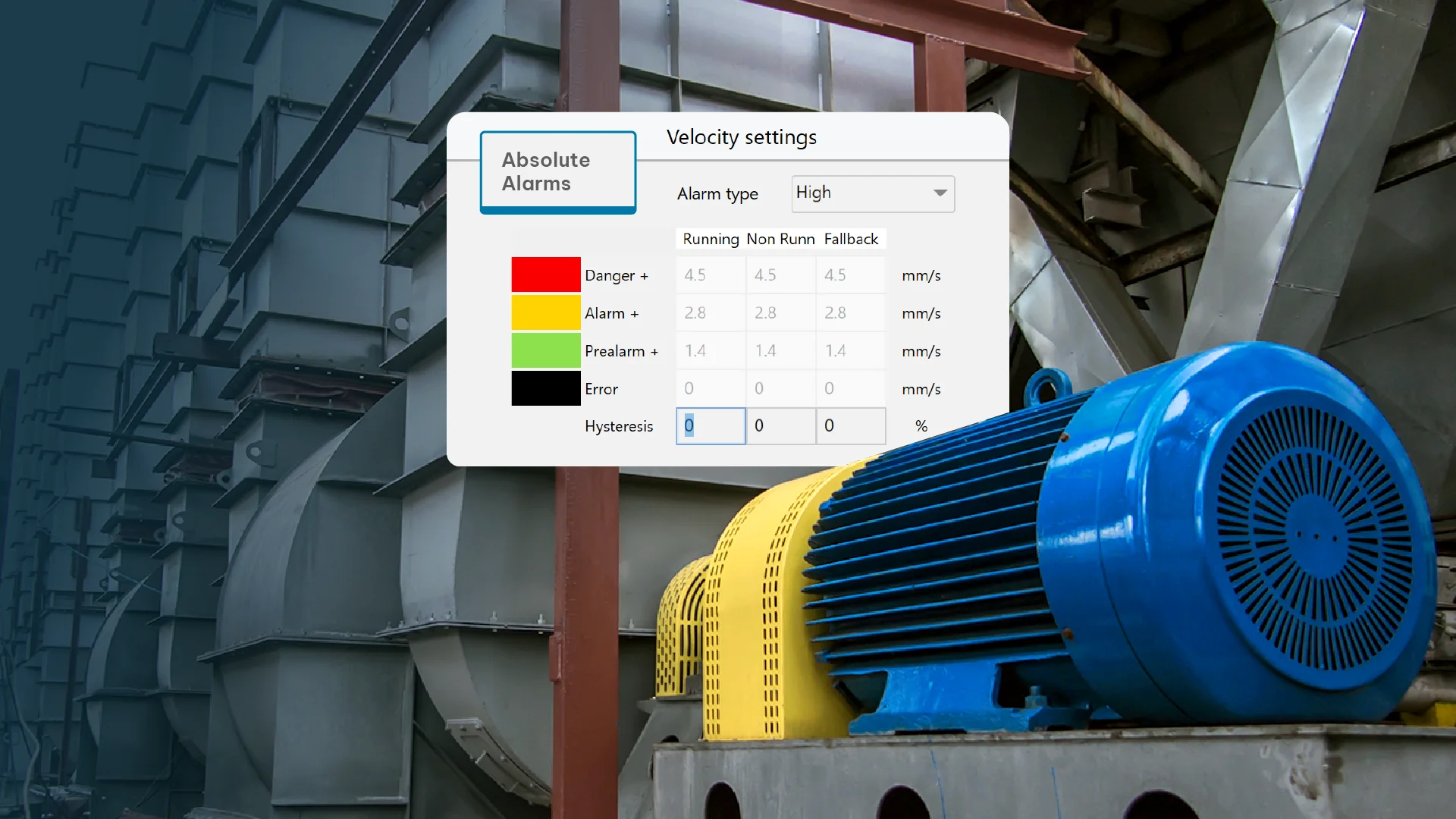
Operating conditions need to be managed because many machines, especially those using variable frequency drives (VFDs), can change speed and load throughout the process and over their lifetime. These changes can affect how vibration data should be measured, trended, and alarmed.
A machine running at high speed may require different alarm settings than the same machine running at low speed. If the same alarm limits are applied across all operating conditions, important issues may be missed or misinterpreted. The same vibration value can mean something very different depending on whether the machine is operating at high speed, low speed, or under a different load condition.

Ability to Monitor Stability Control
When a machine’s operating state, speed, or conditions are changing, data collection can be delayed until the machine reaches a stable condition. This helps ensure the system captures cleaner, more accurate spectrums, waveforms, and trend data.
By collecting data under stable operating conditions, analysts can make better comparisons over time and avoid misleading results caused by changes in speed or load. This also creates higher-quality data that can be fed into Big Data platforms or AI systems for deeper analysis.

Real-Time Monitoring: Pre-Event Data and Post-Event Analysis
Real-time wired monitoring systems can capture pre-event data for triggered events, giving analysts a clearer view of what happened before a failure or abnormal condition occurred. This allows for deeper post-event analysis by reviewing the data leading up to the event, rather than only looking at what happened afterward.
Because a wired online system is monitoring data 24/7, it can use pre-triggers to record information before a threshold is reached. Instead of waking up at preset intervals for periodic measurements, systems like the Acoem MV-x or other online monitoring platforms can continuously watch the machine, detect changes early, and capture the data needed to better diagnose faults and understand failure behavior.

Real-Time Monitoring Example on a Wind Turbine
A wind turbine operates across multiple speeds and power ratings, which means the vibration data should not always be trended under one general condition. Low-speed, low-power operation should be evaluated separately from high-speed, high-power operation, where the equipment is under greater load.

To make the data more accurate and actionable, separate alarm sets can be created for different operating conditions, such as:
- Low Condition: Used when the turbine is operating at lower speed or lower power output.
- Mid Condition: Used during normal or moderate operating ranges.
- High Condition: Used when the turbine is running at higher speed or higher power output under greater load.
By separating alarms and trends by operating condition, analysts can better interpret the data and avoid comparing unlike conditions. This also provides cleaner, more meaningful data for AI systems to analyze.
Condition Monitoring Software: Management, Operations, Analyst
You can have the right wired and wireless sensors in place, but without strong condition monitoring software to analyze the data and connect everything together, it becomes difficult to run a successful program. The software turns raw data into useful information that supports decisions across the facility.
Most facilities need vibration analysis software that supports three key levels:
- Management: Provides high-level visibility into machine health, program performance, risk, and maintenance priorities without overwhelming users with technical detail.
- Operations: Gives plant teams the information they need to understand equipment status, respond to alarms, and make timely decisions that support production and reliability.
- Analyst: Provides deeper diagnostic tools, trends, spectrums, waveforms, and machine history so analysts can investigate faults and recommend corrective action.
Three Key Levels | ||
Management | Operations | Analyst |
Easy to digest status | Alarm Notifications | As much data as possible |
Action Plan | Action Plan | Speed |
KPIs | Historical Data | |
Reporting | Process Conditions | |
Maintenance Actions | ||
Dashboard, Overview | Integration of SCADA | Expert Analysis |
The software should clearly separate these levels so that each team gets the right amount of information. Too much data can create confusion, while too little data can prevent people from taking action when it matters most.
Software Communication
Condition monitoring software should also communicate with other plant systems, including PLCs, SCADA systems, CMMS platforms, and data lakes. It should support common industrial protocols such as Modbus, MQTT, OPC UA, and others, so data can move between systems and be used effectively.
However, collecting data is only useful if it is organized in a way that supports action. The software needs to tie information back to the correct piece of equipment, so analysts and plant teams can understand what happened, when it happened, and what needs to be done next. Without that structure, even large amounts of data can become difficult to use.
In Part 3 of this series, we’ll take a closer look at these technology options and how they fit into the Acoem Ecosystem. We’ll also walk through practical use cases to help your team choose the right approach for different machines, environments, and monitoring goals.