

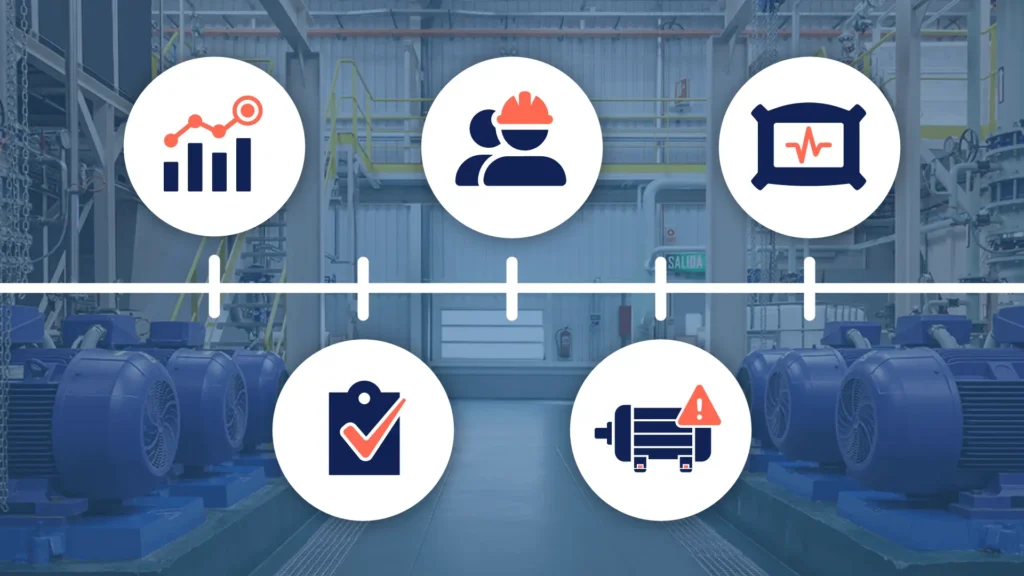
Team Goals, Machine Knowledge, and Criticality of Machines
Deploying an effective vibration program takes more than collecting data. It takes a clear plan, the right people, knowledge of machines, and a practical understanding of how vibration fits into your larger reliability strategy.
In this blog series, we’ll break down the steps that help teams move from basic data collection to a program that drives better maintenance decisions. In Part 1, we’ll start with the foundation: why vibration matters, how to set team goals, how to know your machines, when to use the data, and which technology options are available to support the work.
Why Vibration and Why It’s Important
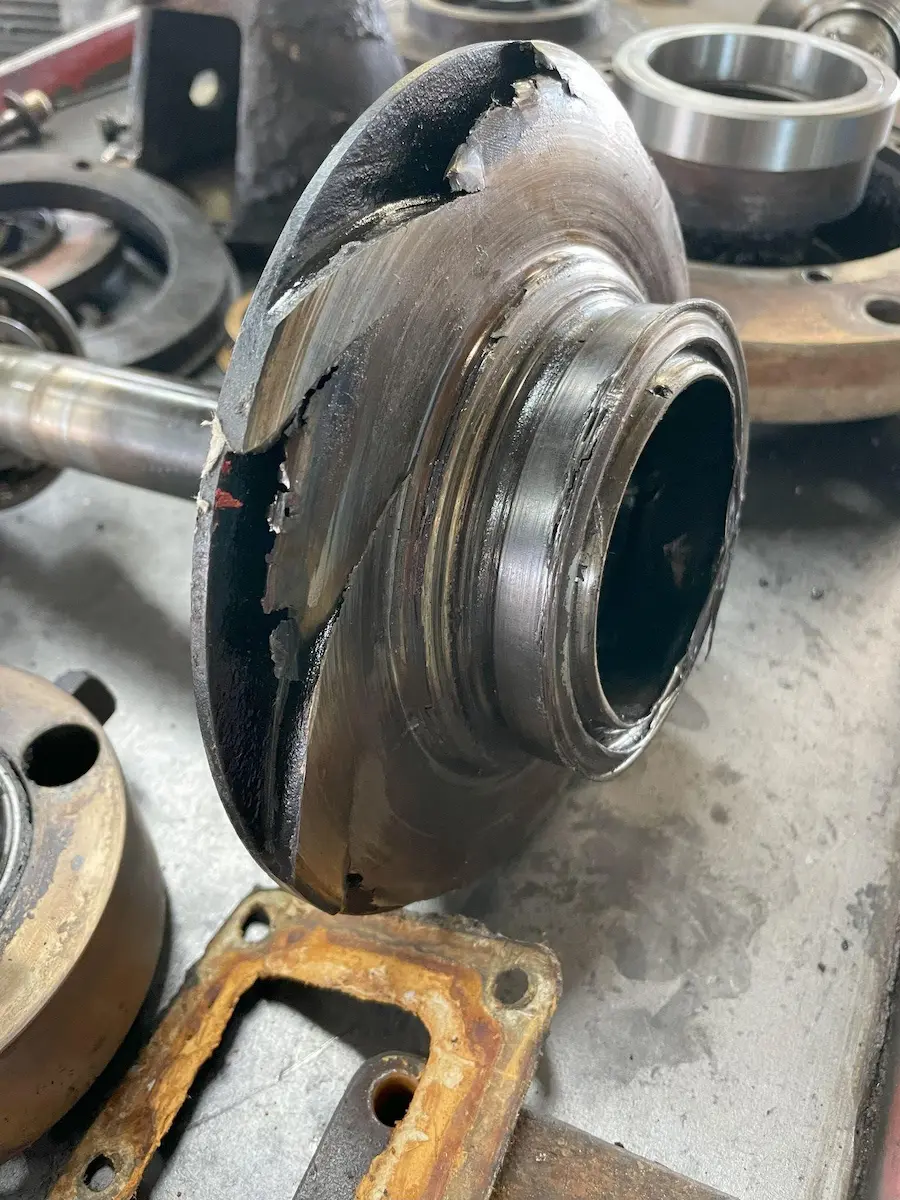
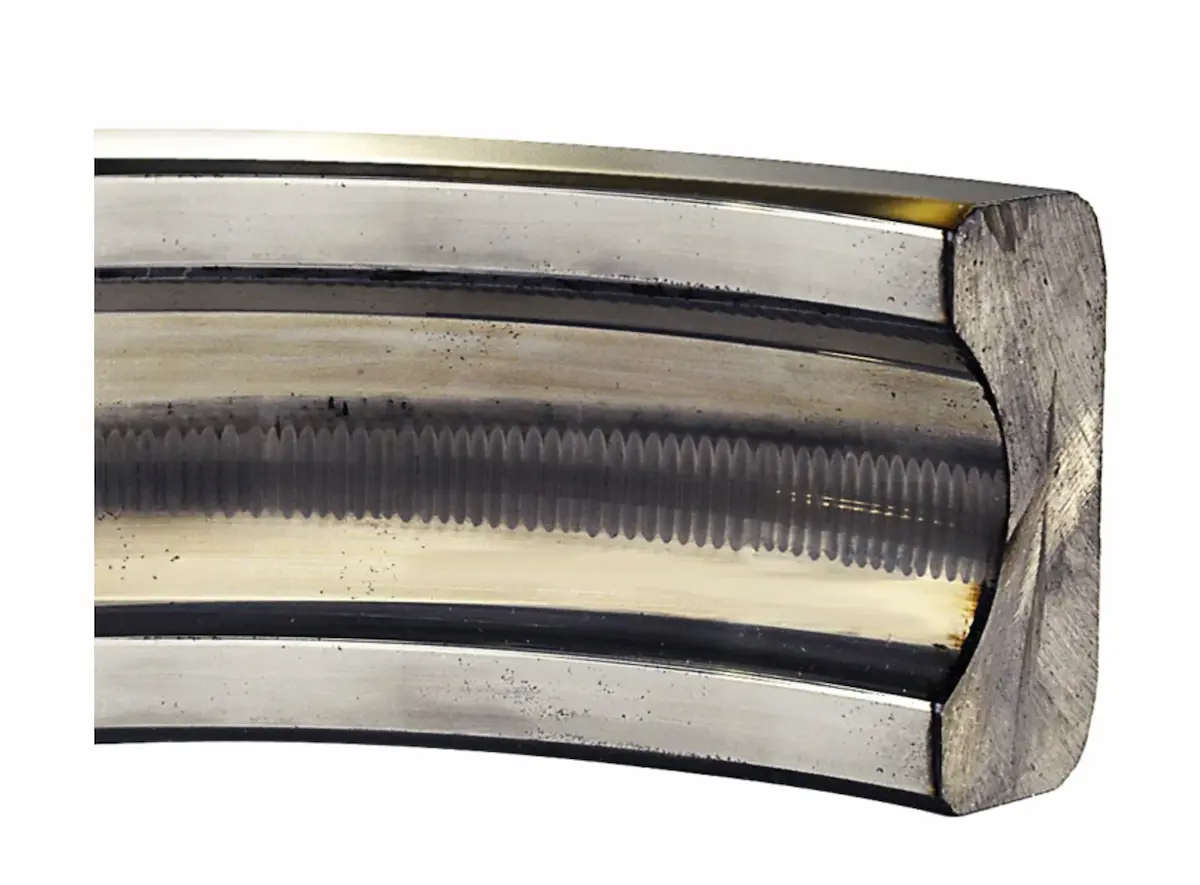
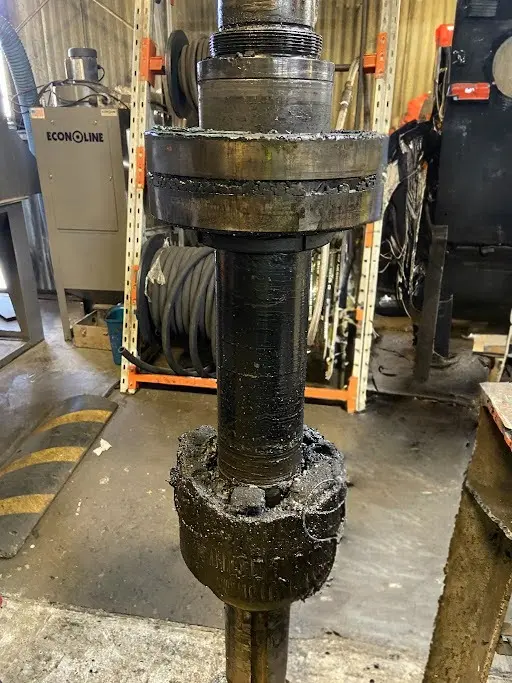
Machines fail for many reasons, and it is not always because they are old. Poor design, rough handling, installation defects, weak support structures, improper use, lack of maintenance, and general neglect can all shorten a machine’s life. Vibration matters because it gives your team a way to see how machine health is changing before failure turns into lost production, costly repairs, or environmental risk. That insight is especially important because machines often wear out early due to improper conditions, such as:
- Design
- Shipping
- Premature Failure
- Installation Defects
- Improper Support Structures
- Use
- Lack of Maintenance
- General Neglect
Some machines fail rapidly, and others take a while to progress and fail. Machines also fail catastrophically, and others don’t. These failures impact the bottom line and can have an impact on the environment. Some take a long time to fix and are costly, while others can be quickly repaired or replaced with no impact on the process or the bottom line. Overall, there’s a mix of machine failures in your facility, but when it comes down to it, all machines eventually fail. To understand which failures need attention first, your team needs reliable vibration data that shows what is changing, where it is happening, and how serious it may become.
 |  |  |  |
Vibration Data & Machine Health
We can use vibration data to gain insight into a machine’s condition. The whole point of using this data is to predict and act on failures before they become catastrophic and to minimize downtime for the machine and the plant.
As components begin to fail, they vibrate. When done properly, machine vibration analysis can identify this change in condition at the component level, giving enough time to plan and act.
There are four major areas for these failures:
- Mechanical
- Electrical
- Structural
- Process
MECHANICAL | ELECTRICAL | STRUCTURAL | PROCESS | ||
Unbalance | Rubs | Gearbox Failures | Line Frequency | Looseness | Cavitation |
Misalignment | Oil Whirl | Rotor Bow / Bent Shaft | Cracked / Broken Rotor Bars | Natural Frequency | Critical Speeds |
Rotating Looseness | Resonance | Coupling | Loose Rotor Bars | Cracks | Flow Turbulence |
Bearing Components | Blade / Vane Pass | Eccentricity | Loose Windings | Nodes / Antinodes | |
Lubrication | Belts | Soft Foot | Lamination | Mounting | |
All of these failures can be identified and addressed preemptively using vibration analysis. Once your team knows where the failure is coming from, the next step is understanding the specific machine faults that the vibration data can help uncover.
Machine Faults
Machine faults rarely show up out of nowhere. Most leave warning signs in the vibration data long before they become a major failure, giving your team a chance to identify the problem, plan the work, and take corrective action.

The most common vibration-related faults teams can act on include lubrication issues, misalignment, bearing defects, and unbalance, each with preventive steps that can help stop damage from progressing into catastrophic failure:
 | LUBRICATION Poor or improper lubrication increases friction, heat, and wear, which can quickly damage bearings and other rotating components. |
 | MISALIGNMENT Occurs when connected shafts are not properly aligned, leading to excessive vibration, stress, and premature component wear. |
 | BEARING DEFECTS Develop from wear, contamination, poor installation, or overload, often showing up as repeatable vibration patterns. |
 | UNBALANCE Happens when uneven weight distribution in a rotating component creates vibration that can damage bearings, seals, and support structures. |
Many other faults can be identified, such as the ones referenced in the previous chart, but these are the primary ones we can act upon. All of these faults also have preventive measures that can be taken to stop them from worsening and causing catastrophic failure.
After knowing which machine faults to look for, the real value comes from building a vibration program that helps your team find, understand, correct, and document those issues before they turn into bigger problems.
General Vibration Program Goals for Your Team
A strong vibration program should give your team a clear path to collect better data, catch machine issues earlier, and make maintenance decisions with confidence. The goal is not just to gather readings, but to turn those readings into action:
- Identify Condition Change: Detect degradation at the right time by collecting the right level of vibration data at the lowest practical cost.
- Determine a Cause for Those Changes: Use the data to connect the condition change to the likely machine fault, operating issue, or maintenance need.
- Create an Action Plan: Determine actionable measures that tell the team what needs to happen next, when, and by whom.
- Correction of Those Changes: Put the plan into action to correct the issue before it leads to downtime or equipment failure.
- Document and Share Findings: Report and communicate findings so the team can support decisions, prove that the vibration program is a success, and keep improving.
Who is Necessary to Achieve These Goals?
Everyone in the facility is necessary and needs to be involved. It is as much a top-down culture of maintenance and reliability as it is a maintenance practice. Everyone needs to trust the practices and plan, then implement the process:
- Plant Management: Buy into the early detection of faults
- Maintenance: Make the necessary corrections
- Operations: Trust when told a machine is failing or has failed
- Production: Know how to plan for these failures and meet their goals
Who On the Team Shapes the Success of Those Goals
A vibration program does not succeed on tools and data alone. It takes team buy-in, clear ownership, and a practical process that fits the way the facility actually runs. Before setting goals, it is important to understand who will support the program and what they need in place to make those goals achievable.
Consider the following for success:
- Availability of Personnel: People to conduct the vibration analysis and analyze the data
- Existing duties
- Experience of Personnel: There should be a vibration analyst on staff.
- Coordination with Operations and Production: Know how to plan for these failures and the maintenance actions
- Time: To collect, evaluate, report, and act on the data that the team is able to achieve
Once the team structure is clear, the next step is deciding which machines should be included so the vibration program focuses on time, effort, and data where they matter most.
Machines Included in the Vibration Program
Not every machine needs the same level of attention, and not every asset will carry the same weight in a vibration program. The right machines help prove the value of the program by connecting vibration data to real maintenance decisions, reduced risk, and measurable impact. Choosing where to focus first sets the tone for how the program will be used, supported, and trusted across the facility.
Look into the following:
- Criticality
- Accessibility: How easy it is to get to the machines and collect data
- Complexity
- Environment: Are personnel allowed to get near that piece of equipment?
- Safety
- Location: Is it far away and hard to access? Ex: remote pumping station
- Process Conditions
- Failure Mode
- ROI: It is vital to record the essential information needed to track a Return on Investment (ROI), so that you can measure and prove the effectiveness of your program:
- Downtime
- Spare parts
- Time to repair
- Power consumption
Determining Criticality of Machines
Criticality shows us what we need to do and how we need to analyze the equipment. Equipment with high criticality requires a 100% production stop for 2 hours or more, and poses a safety or environmental risk. High criticality equipment needs to be monitored much more closely than something with low criticality, because there’s a full online spare. This means that there won’t be any stop to production. Additionally, low criticality machinery can mean that there is no safety risk or need for release, and it is inexpensive to replace. Because of the unique needs of the machinery, environment, and people, it is best to use different monitoring technologies for high criticality machines, than what you would use for low-criticality machines.
AVAILABILITY | RATE | QUALITY | SAFETY | ENVIRONMENT | RAV | |
High | 100% Production stop or more for 2 hours | Production Rate decrease of 2.5% | Scrap increase of .5% | Recordable injury or higher, includes near miss | External Release Results in Permit Violation | Greater than $5,000.00 replacement or repair if RTF |
Moderate | 100% Production stop or more for 2 hours | Production Rate decrease of 1.5% | Scrap increase of .25% | Non- Recordable | On-Site Release | $2,000-$5,000 Replacement or Repair if RTF |
Low | No Production Stop | No Production Rate Decrease | No Scrap Increase | No Risk | No Release | Less than $2,000.00 Replacement or Repair if RTF |

To determine criticality, you need to know your machine and go through the equipment list and document the following:
- Speeds
- Bearing information
- Possible failure modes
- How it operates
- Quantity of spares in line or in the warehouse
- What is the environment/environmental risk
- Location of the machine, and how easy it is to access
- Etc.
Usage of the D-I-P-F Curve
(Design – Installation – Potential – Failure – Failure)
With the PF Curve, you can discuss the design, predictive, and failure modes of the piece of equipment, what preventative measures can be used to prevent failure, and how the plan can be implemented.
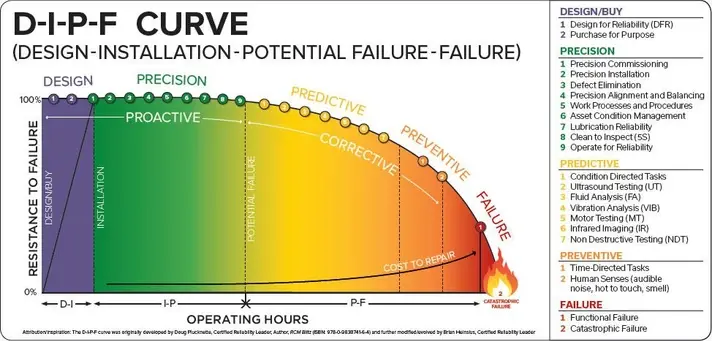
When you look at the PF Curve and how it corresponds to vibration analysis, you need to look at how you can predict failures, what kind of failures can be predicted early, so that preventative maintenance actions can be taken, such as lubrication, alignment, and what pieces of equipment fail quickly, and where corrective actions must be taken later on in the PF Curve:
- What pieces of equipment need very early detection, where faults can be identified, and changes can be made
- What pieces of equipment do not require identification very early on

When to Use Vibration Data Collected
Vibration data is only valuable when it is used with a clear purpose. Different machines, risks, and operating conditions call for different levels of monitoring, from periodic walkaround routes to continuous systems that provide immediate alerts. The goal is to match the data collection method to the machine’s role, failure risk, and the action your team needs to take.

One Size Does Not Fit All
Not every machine requires a full online monitoring system to protect the plant from environmental reasons. What needs to be identified:
- What = Machine
- Who = Team Implementing the Information on the Machines
- When = Goal of the Vibration Program
- Where = Mounting Sensors and Taking Data
Overall, your team needs to act towards a better system. Eliminate the phrase, “well, we’ve always done it this way,” and instead choose to make changes to prevent failures. Once your team understands that each machine needs its own approach, the next step is building a practical plan around assets, their risks, failure modes, and the right technology to monitor them.
Plan for a Machine – Example: Baghouse Fan
MACHINE NAME Baghouse Fan | Failure Mode(s) | Wear Out | Performance | Quality |
CMMS ID NJ-MDES-PG-FN-01 | Failure Detection Technology | Vibration | Oil (WPA) Analysis | Temperature |
AREA Packaging | Proactive Maintenance Strategy | Alignment | Balance | Lubrication |
CRITICALITY High | Precision Maintenance Required | YES | ||
The criticality of this type of machine is high because it shuts down the entire area, leading to loss of production and potential environmental risk. With that said, the main failure modes are wear-out and performance degradation, which will be slow and gradual. The selected failure detection technology is vibration and temperature analysis, which will be the best way to trend failures with that piece of equipment. The selected proactive maintenance strategies are alignment, balancing, and lubrication, which are used to avoid wear-out and performance defects, enabling precision maintenance and preventing failures from occurring.
Technology Options for Completing Vibration Analysis
 | |  |  |  |
Portable On Demand | Portable Route Based | Wireless MEMS Sensors | Wireless IEPE Sensors | Wired IEPE Sensors |
Choosing the right technology comes down to the machines you monitor, the data you need, and how quickly your team needs to act. Portable, wireless, and wired solutions each have a place in a vibration program, depending on the asset, environment, and level of risk.
In Part 2 of this series, we’ll take a closer look at these technology options and how they support different approaches to completing vibration analysis.