
The vibration data has been collected, the analysis is complete, and the report has been sent to the plant. A potential machine failure was identified before it happened. That’s a win, right?
It certainly can be. But what happens after you submit the vibration analysis report?
- Did anyone act on the recommendations?
- Did maintenance find what the analysis suggested?
- Was the problem actually corrected?
- Did you collect a new vibration baseline after the maintenance work was completed?
These questions are just as important as identifying the problem in the first place. Knowing whether it was actually corrected is another. Without following up, we can’t say for certain whether the machine is operating as it should or if the original issue is still there.
That’s where an effective reliability program makes the difference. Condition monitoring gives us the information we need to identify developing problems, but what happens next matters just as much. Following through on recommendations, completing corrective maintenance, and verifying the results are what turn vibration analysis findings into meaningful improvements in machine reliability.
Finding the Problem Is Only the Beginning
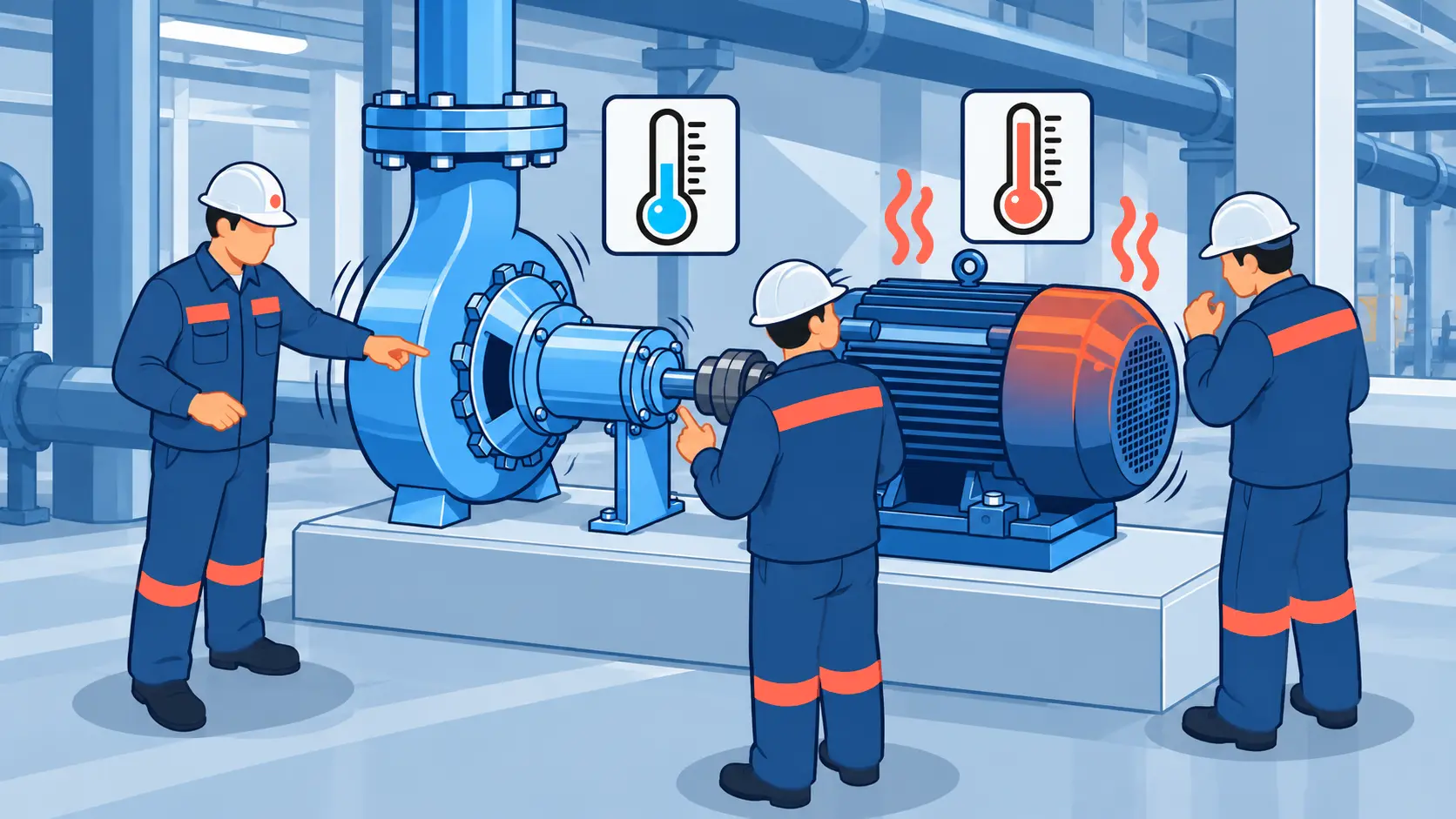
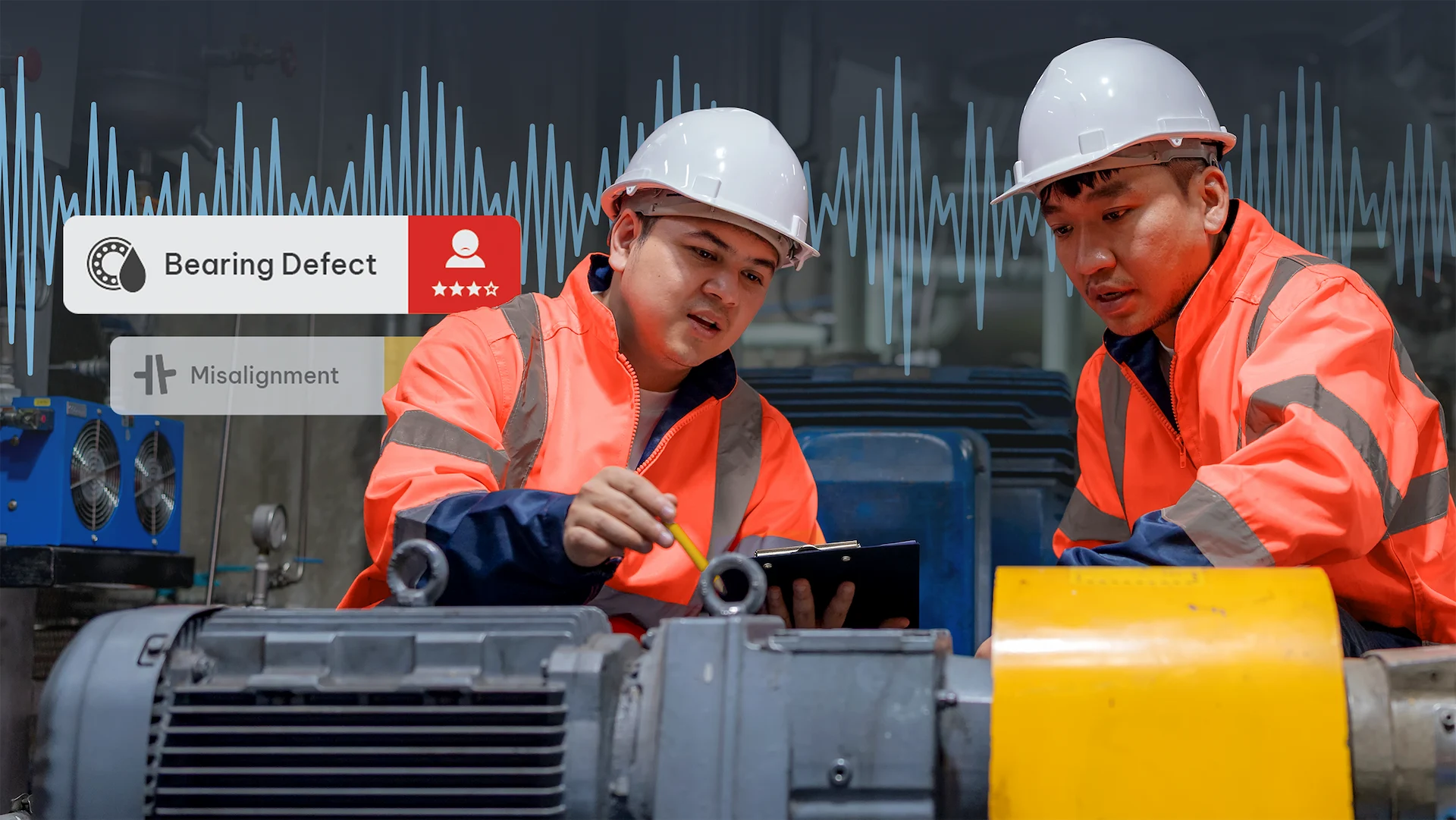
Let’s say we’re collecting data on a pump and notice a change that could indicate a developing bearing issue. We review the trend, check the spectrum, review the measurement conditions, and talk to the operator. Based on the information available, we put together a recommendation and send it off.
Now what?
Maybe it turns into a work request. Maybe someone orders a bearing and waits for the next outage. Maybe the report sits in an inbox because the person who received it wasn’t sure what to do with it.
That last one is frustrating, especially when someone has put considerable time into collecting and analyzing the data. But this isn’t about blaming the analyst, the planner, or the maintenance team. It’s about a process that connects them all.
To make that process work, everyone needs to understand their responsibilities.
- Who reviews the finding?
- Who decides how urgent it is?
- Who owns the next step?
- How do we know whether the work was completed, deferred, or still waiting for a decision?
We should have answers to those questions before we need them.
Once we establish those responsibilities, the next step is making sure the report provides enough information to guide the decision.
Make the Recommendation Useful
The hand-off starts with the report itself. If we send a report that says “high vibration, monitor,” what exactly are we asking the maintenance team to do?
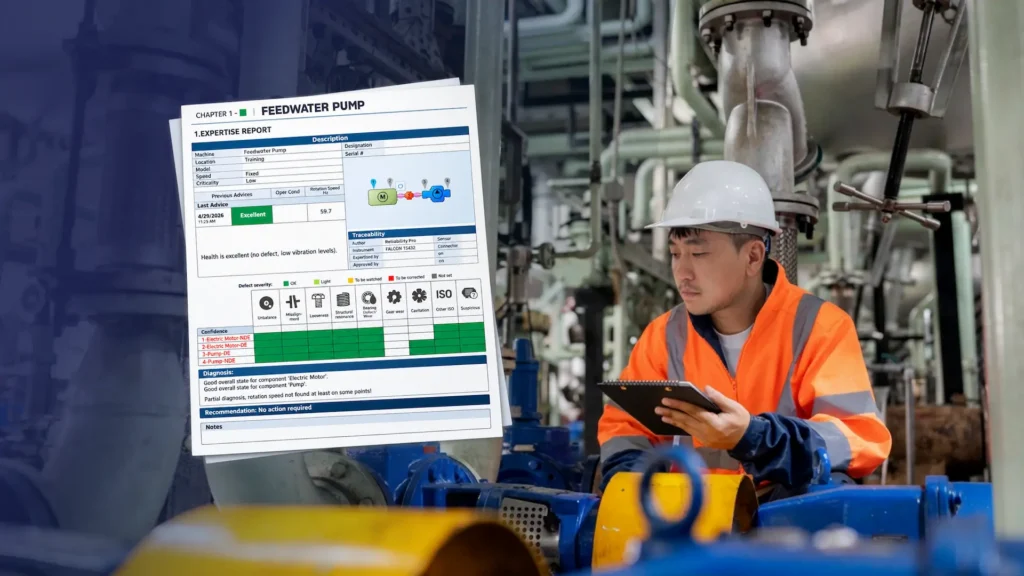
A useful report identifies the machine and measurement location, explains what changed, describes the suspected condition and the evidence behind it, and recommends a practical next step. It should also be clear about what we don’t know yet.
We don’t have to pretend we can see inside the machine. We also don’t have to tell someone exactly how many days a bearing has left when the data won’t support that answer. We can explain the concern, communicate the uncertainty, and help the plant make an informed decision.
And if a condition needs immediate attention, we shouldn’t just bury it in a routine report and hope someone sees it. Instead, we should use the plant’s established process to get that information to the people who need it.
However, communicating the recommendation is only part of the process. We also need to know what maintenance discovers when the work is performed.
What Did We Actually Find?
Now let’s go back to our pump. The work gets scheduled, the machine is safely shut down, and maintenance opens it up.
- Did the bearing look the way we expected?
- Was there evidence of lubrication trouble?
- Was something else going on? Maybe the bearing looked fine, and the team found another condition that better explains the change in the data.
That information needs to get back to the analyst. A work order that says “replaced bearing” tells us that a part was replaced. It doesn’t tell us much about the part’s condition, what else was found, or whether the diagnosis was correct.
A few notes and a picture, when practical, can make a big difference. By comparing what the data suggested with what was physically found, we can better understand the outcome. If the call was right, we learn from it. If it wasn’t, we learn from that too. Either way, we can make better decisions moving forward.
With those findings documented, the next step is determining whether the maintenance work actually resolved the problem.
The Machine Is Running, But Is the Problem Fixed?
Not quite.
Once the repair is complete and the equipment has been safely returned to service, we need to verify the result. We should collect new data at the same measurement locations and, as closely as practical, under comparable operating conditions. We also need to examine the characteristics that led to the original recommendation, not just the overall number.
- Did the condition we were concerned about change?
- Is the machine operating as expected?
- Is there something else in the data that needs attention?
This is also an opportunity to establish a new baseline for the repaired machine. By documenting the operating conditions, the work that was done, and the post-repair measurements, we can establish a meaningful reference for the next time we collect data.
A machine that starts after a repair is good. However, a machine that starts and has been checked to confirm the original problem was resolved gives us much greater confidence in the outcome.
Even when the repair is successful, understanding what caused the original problem is just as important for preventing it from happening again.
Why Did it Happen in the First Place?
We need to ask another question: What caused the failure?
Replacing a damaged bearing may correct the immediate problem, but if we don’t understand why it was damaged, we may be setting ourselves up to do the same job again.
- Was lubrication involved?
- Was there an installation issue
- Contamination?
- A problem with operating conditions?
- Or something else?
That’s where root cause failure analysis comes in. The depth of the investigation should fit the consequences and the situation. Not every issue requires the same level of investigation, and we shouldn’t assume the cause before we have the evidence. But we should still ask that question and use what the team finds to decide whether something else needs to change.
Maybe that means a different lubrication practice. Maybe it means reviewing an installation procedure, looking at how the machine is operated, or checking similar equipment. The point is to learn something that can prevent the next failure, not just document the last one.
Ultimately, each step contributes to a more complete picture of the machine’s condition and the reliability program’s effectiveness.
Close the Loop
Here’s a simple exercise: Start by selecting a few findings from the last several months and follow up on what happened after the report was submitted.
- Was the recommendation reviewed and assigned?
- Was a decision made, even if the work was deliberately deferred?
- What did maintenance actually find?
- Did the team verify the repair with follow-up data and a new baseline?
- Did the team investigate the cause at a level appropriate to the problem?
- Did what was learned change anything?
If we can’t follow a finding through those steps, that’s an opportunity to improve the program. We don’t need to build a complicated system overnight. Instead, we can start by getting the right people talking and making the next step visible.
We spend a lot of time and money collecting data, training analysts, and finding problems early. That work matters, but submitting the report isn’t the finish line.
The real win comes when the finding leads to action, the repair is verified, the new baseline is documented, and we understand the cause well enough to prevent it from happening again. That’s when we close the loop, and that’s when a reliability program starts doing what it was built to do.
Turning those findings into meaningful improvements takes the right processes and support. Acoem Advisor helps maintenance teams connect condition monitoring with actionable recommendations, expert analysis, and ongoing equipment health assessments. From identifying developing faults to supporting informed maintenance decisions, Acoem Advisor helps your team take the next step toward a more proactive reliability program: Learn More About Acoem Advisor