
The machine fails. Maintenance gets the call. Somebody finds the problem, replaces the part, and gets production running again.
Problem solved.
At least until it happens again.
It is easy for maintenance teams to get stuck in this cycle. Over time, teams can become very good at troubleshooting equipment under pressure, identifying failed components, and getting machines back into service quickly. There is a lot of skill involved in diagnosing a problem with limited time while production is waiting for an answer.
That work matters. But getting faster at the repair does not necessarily make the machine more reliable. At some point, we need to ask a different question: What can we do differently so we are not making the same repair again?
That is where the shift from reactive maintenance to more repeatable maintenance results begins.
Reactive Maintenance is Not Going Away
Reactive maintenance will always have a place. We won’t eliminate every unexpected equipment failure. Machines can still surprise us, and there will always be situations where maintenance needs to respond quickly. In some applications, a run-to-failure approach may even be appropriate when the consequences of failure are understood, evaluated, and acceptable. That is very different from repeatedly being caught off guard by the same problem.
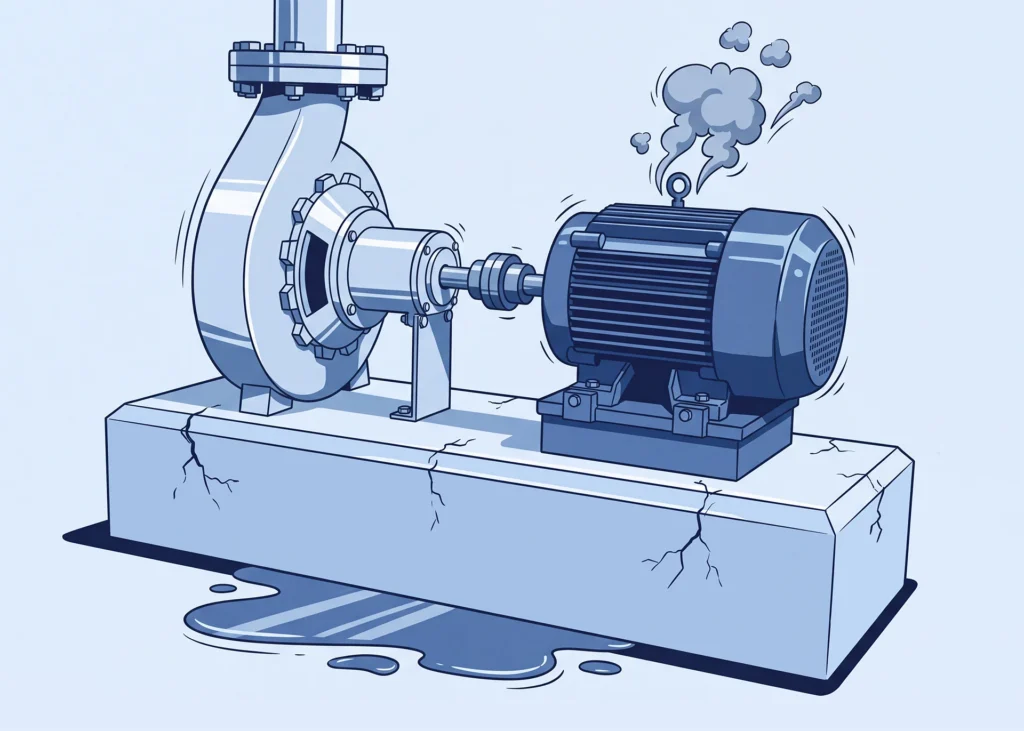
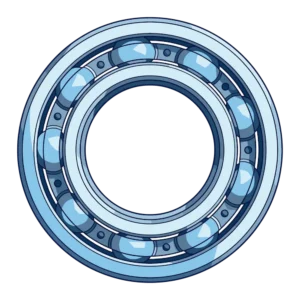 Consider a pump bearing that fails every six months. We replace the bearing, return the pump to service, and six months later perform the same repair. Eventually, someone starts asking why we keep getting bad bearings. But was the bearing actually the problem? The bearing may be the component that failed, but not the reason it failed.
If contamination is entering the bearing housing or lubricant, replacing the bearing does not correct the condition that contributed to the damage. We have simply installed a new component in the same operating environment and started the cycle again.
Replacing the bearing gets the pump running. Understanding why the bearing failed gives us an opportunity to make the next one last longer. Those are two different parts of the maintenance process.
Every Equipment Failure Should Give You Information
Every failure gives us information. Sometimes it is expensive information, but you should still learn something from it.
If vibration data was collected before the failure, look back at how the machine condition changed over time. Then compare that information with what the technician found during the repair.
In our pump example, evidence of contamination in the bearing or lubricant, seals, or housing gives the maintenance team a reason to investigate how that contamination entered the system. The vibration history may help show how the machine condition developed, but vibration data alone will not necessarily explain the entire failure mechanism.
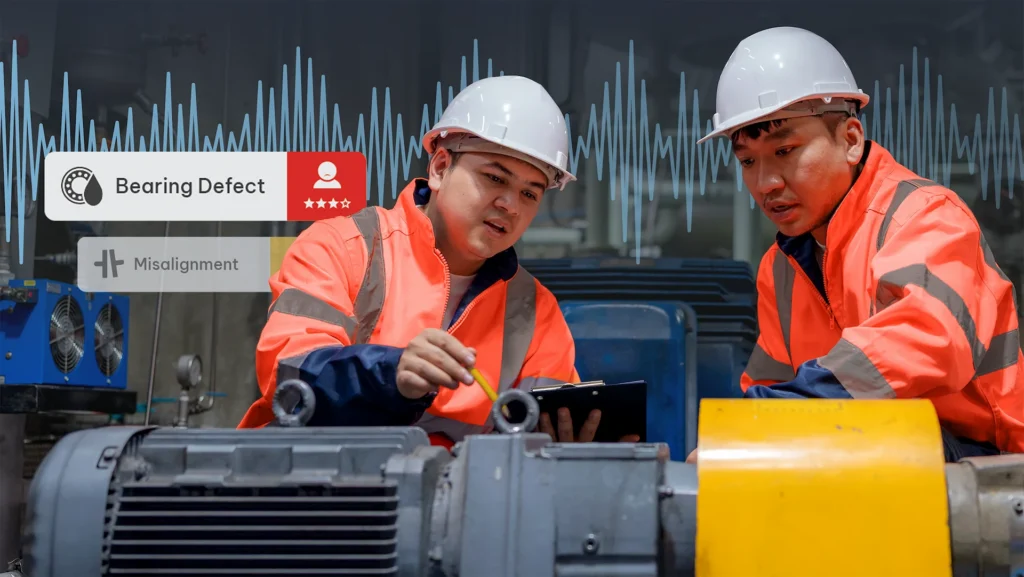
This is where the conversation between the analyst and the maintenance team becomes important. The vibration analyst needs to understand what the technician found inside the machine. The technician also needs to understand what the condition monitoring data was indicating before the repair. Neither person should have to guess what the other knows.
Collecting vibration data is not the goal of a vibration program. The goal is to turn that information into better maintenance decisions. Detecting a fault early enough to plan a repair is valuable. Using that repair to understand the failure and address contributing conditions takes the process one step further.
Now the machine history can tell us more than:
“Replaced bearing.”
Instead, it can document what failed, what was found during the repair, what conditions may have contributed to the failure, and what changed to reduce the chance of it happening again.
Do Not Stop When the Machine Starts
The repair is finished. Someone pushes the start button, and the machine runs. It is tempting to call the job complete and move on, especially when another work order is already waiting. But simply running is a low standard for determining whether a repair was successful.
A motor can operate while misaligned. A bearing can continue operating while contamination, lubrication problems, excessive loads, or other damaging conditions are still present. A successful startup does not prove that the underlying problem was corrected.
For our pump, the repair should be verified against the requirements and acceptance criteria for that machine. If shaft alignment was disturbed during the repair, measure the alignment and document the final results. Alignment targets and tolerances should be appropriate for the machine rather than assuming they are identical for every application.
After startup, collect the vibration data and compare it with the machine’s previous condition. Whenever possible, comparisons should use consistent measurement locations and methods and be made under reasonably comparable operating conditions.
A lower overall vibration reading is useful evidence that the machine condition has improved, but it does not prove that every problem has been corrected.
Look at the vibration characteristics associated with the original fault and check any other acceptance criteria that apply to the repair. The goal is to verify the correction, not simply find a smaller overall vibration number. Then follow up after the machine has had time to run. An initial vibration check can show improvement, while continued condition monitoring helps us see determine whether that improvement holds over time.
That is part of closing the loop.
We identified a problem, made a correction, and now we are verifying whether that correction actually worked.
Repeatable Maintenance Cannot Depend on One Person
Most maintenance teams have someone everyone calls when a machine becomes difficult. That experience is valuable, but what happens when that person is on vacation or retires?
The next technician needs more to work with than “Ask the person who fixed it last time.”
A successful repair should eventually become a better, more repeatable way of performing work. If a particular installation or maintenance practice contributed to recurring pump failures, incorporate the corrected practice into the job plan. Include measurements, procedures, and acceptance criteria needed to verify the work. The next technician should be able to understand both what needs to be done and how to determine whether the result is acceptable.
For example, an instruction that says “Align motor” is not enough on its own. The technician needs to know the appropriate alignment target and tolerance for the machine, understand the checks required before making the correction, and document the final alignment result.
Training gives those instructions meaning. Otherwise, we risk turning good maintenance practices into another checklist without providing the knowledge needed to perform the work correctly.
This is the practical side of precision maintenance.
Precision tools allow us to measure conditions accurately, but the maintenance team still needs agreed-upon standards for performing and verifying the work. Experience should help build those standards. It should not be the only way to achieve a successful result.
Start with a Problem You Already Have
Moving from reactive to proactive, repeatable maintenance does not require rebuilding the entire maintenance program overnight. Start with a recurring problem that matters to the plant and follow it through.
Review the machine history with the people who operate and maintain it. Work out what the earlier repairs did and did not address. Sometimes that review points to a need for better condition monitoring or training. Sometimes the information is missing because nobody documented the repair beyond the part that was replaced.
Once the problem is better understood, make the correction and verify the result. Document what the team learned where the next technician can find it, and then monitor the machine to determine whether the same failure returns. A lower reading after the repair is encouraging. Keeping that pump operating without another repeat failure is a much better indication that the maintenance process improved.
You do not need a complicated new system to begin. You need to follow one problem far enough that the next repair does not start from zero.
Give the Next Repair a Better Chance
When I talk about root cause failure analysis in class, I keep coming back to two simple questions: why did it fail, and how can we make the next one last longer? Those questions still matter after production is running and the pressure is gone.
We are not going to prevent every equipment failure. But when a failure does happen, we can use what we learn to improve the next maintenance job. That means understanding the cause, verifying the correction, and making sure the knowledge does not leave with the person who discovered it.
Over time, that is how maintenance becomes more repeatable. The measure of a strong maintenance organization should not only be how quickly it can respond to the same recurring problem. It should also be how much it learns from that problem so the team is less likely to have to solve it again.